
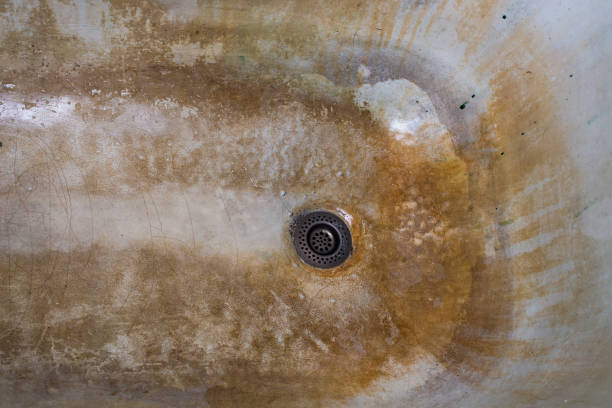
Rust around a tub or drain is one of those problems that starts small and gets ignored because the bathroom still “works.”
But a rust ring, flaking metal, or orange staining can be an early warning that water is sitting where it shouldn’t, or that the tub surface and hardware are breaking down. That’s why many homeowners start searching for bathroom remodel contractors sooner than they planned.
The real risk isn’t the stain itself. It’s what rust often travels with: failing caulk, worn enamel, loose drain parts, or moisture that slowly damages what you can’t see.
Catching it early can mean a targeted repair or refinishing. Waiting can push you toward more demolition, more downtime, and more cost.
What causes rust around tubs and drains?
Rust typically shows up for a few predictable reasons:
- Worn or chipped tub finish that exposes the underlying material
- Corroded drain or overflow components (especially if the finish is failing)
- Standing water that lingers around the drain or behind a loose flange
- Repeated harsh cleaning that strips protective coatings and accelerates wear
In other words, rust is often a surface problem with a root cause. The goal is finding the cause before it spreads.
Rust stain vs active corrosion: how can you tell?
A stain is usually discoloration that improves with cleaning. Active corrosion is when the metal or surface is breaking down. Look for these clues:
- It comes back quickly after cleaning
- Pitting or roughness around the drain area
- Flaking metal on the drain/overflow plate
- Widening orange streaks that creep outward from a chip or crack
If you’re seeing texture change, not just color, it’s time to stop treating it like a simple stain.
Early warning signs that rust is becoming a bigger bathroom problem
Rust is more urgent when it shows up alongside signs of moisture movement. Common red flags include:
- Caulk that is pulling away, cracking, or staying damp
- A musty odor that lingers even after cleaning
- Soft or spongy flooring near the tub
- Tiles that sound hollow, feel loose, or show dark grout lines
- Bubbling or peeling paint near the tub or shower edge
- Recurring clogs or slow drains that keep returning
One red flag doesn’t always mean “major remodel,” but it does mean the bathroom deserves a closer look.
Is rust around the drain a leak? What to check first
Before you assume the worst, do a quick, practical check:
- Dry the area completely, then watch for new moisture after the next few showers.
- Press gently around the tub edge and nearby floor. If anything feels soft, that matters.
- Look at the drain and overflow plate. If they wiggle or look separated, water can slip into gaps.
- Check the caulk line where the tub meets the wall. If it’s split, water can travel behind it.
If moisture is showing up where it shouldn’t, surface cleaning won’t fix the source.
Do you need refinishing, a repair, or a full renovation?
Here’s a simple way to think about scope:
- Targeted repair makes sense when hardware is failing but the tub and surrounding surfaces are stable.
- Refinishing/reglazing makes sense when the tub finish is worn or chipped, but the structure is sound and you want to refresh the surface without replacing the tub.
- A conversion or renovation makes sense when rust is paired with repeated moisture issues, failing tile/walls, or a layout that isn’t working anymore.
The right decision comes from matching the fix to what’s actually happening, not guessing based on how bad the stain looks.
What to ask bathroom remodel contractors about rust and tub deterioration
A good quote process should answer a few clear questions:
- What’s causing the rust: finish failure, hardware corrosion, moisture intrusion, or multiple issues?
- What can be repaired versus what should be replaced to prevent repeat damage?
- What’s included in surface prep and waterproofing steps around the tub or shower area?
- If refinishing is an option, what conditions would make it a poor fit for this bathroom?
- What should you do now to prevent more damage while you’re deciding?
These questions help you avoid paying for a solution that only looks good for a short time.
How we handle rust problems at Tub Doctor of Augusta
At Tub Doctor of Augusta, we see rust issues that range from small drain-area deterioration to bathrooms that need broader updates.
Our work includes options like bathtub refinishing/reglazing, tub-to-shower conversions, walk-in shower installs and repairs, and full bathroom renovations, so the solution can match the scope instead of forcing a one-size approach.
We typically start with an in-home consultation and a custom estimate so you can see what’s happening and what your realistic options are.
A quick “rust triage” checklist you can use today
If you want a simple next step before you call anyone:
- Take photos of the drain area, overflow plate, caulk line, and any staining.
- Stop abrasive cleaners if the surface is chipped or worn.
- Keep the area dry between uses as much as possible.
- Note any “paired symptoms” like odor, soft flooring, or recurring clogs.
- Decide a time limit. If rust is spreading or returning quickly, don’t push it off.
Conclusion: stop the spread, then choose the right scope
Rust around tubs and drains is often the first visible sign of a problem that’s still fixable. The faster you identify the cause, the more control you have over the outcome, whether that’s a repair, refinishing, a conversion, or a larger update.
If you’re comparing bathroom remodel contractors and want a clear evaluation of what’s going on in your bathroom, reach out to us at Tub Doctor of Augusta for a quote.
