
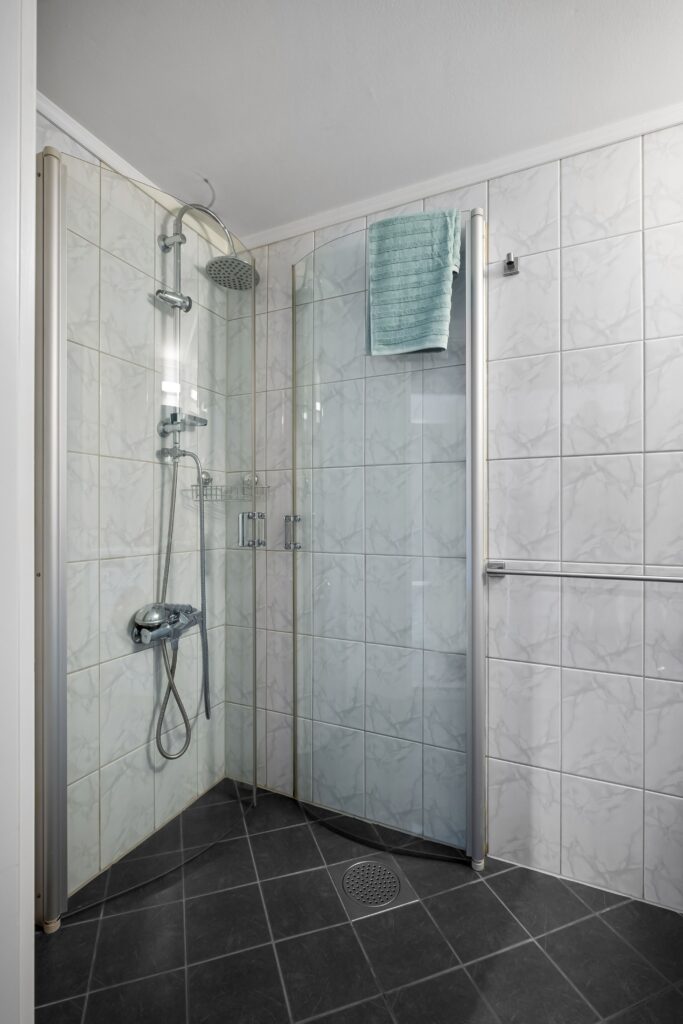
Homeowners researching tub-to-shower conversion cost in Augusta, GA usually want a straightforward answer before committing to a remodel. The practical answer is that conversion pricing is specific to the bathroom and the scope of work. Replacing a tub with a shower can range from a focused update of the existing bathing area to a broader remodeling project involving repairs, layout changes, and accessibility improvements.
Rather than relying on a generic online figure, start by identifying what you want the finished shower to accomplish. Is the goal to eliminate an unused tub, update a dated bathing area, make entry easier, address damage, or improve the entire bathroom? Those decisions affect the materials, labor, and related work included in an estimate.
What is included in a tub-to-shower conversion?
A tub-to-shower conversion changes an existing bathtub space into a shower space. The work may involve removing the tub, preparing the opening, installing a shower base and wall system, and addressing the shower fixtures and finish details required for the selected design. The exact scope depends on what is behind and around the existing tub as well as the shower you choose.
For some homeowners, the conversion is the centerpiece of a larger project. They may also choose to update flooring, vanity areas, lighting, or other fixtures. In that case, the estimate should clearly distinguish the shower conversion from the additional bathroom renovation work. Tub Doctor provides both shower conversions and broader full bathroom renovations, so the appropriate scope can be discussed based on the condition and goals of the room.
The main factors that affect tub-to-shower conversion cost in Augusta, GA
The condition of the existing tub area
The existing space is the starting point for any shower conversion Augusta, GA homeowners are considering. An estimator needs to look beyond the visible tub surface and surrounding walls. Chips, cracks, leaks, gaps, rust, or other damage may require attention before a new shower is installed. If the tub area has moisture-related concerns or indications that repairs may be needed, the project scope can change after professional evaluation.
This is also why an in-person review is valuable. A bathroom that appears to need a simple cosmetic update may have repair needs that are not clear from a photograph. Conversely, a structurally serviceable fixture with only cosmetic concerns may lead a homeowner to consider whether bathtub refinishing is a better fit than changing the layout.
Whether the existing layout stays in place
Keeping the shower in the existing tub footprint is generally a different scope than relocating the bathing area or changing the room layout. When a homeowner wants the new shower to remain where the tub is now, the project can be planned around the existing space. If the plan requires a different location, substantially different dimensions, or changes to surrounding bathroom elements, more remodeling coordination may be involved.
Before requesting an estimate, decide whether you are looking for a conversion within the current footprint or a more complete redesign. That one decision helps a contractor understand the scale of the work and recommend the right service.
Shower base, wall, and enclosure selections
The shower system itself is a major part of the project scope. Homeowners may select different wall materials, colors, patterns, storage features, doors, and finishing details. These choices influence both the appearance of the finished shower and the cost of the conversion.
Tub Doctor installs products from the Onyx Collection, Sentrel, and Hydro Dimensions, although product availability should be confirmed before making a final selection. Comparing samples and discussing maintenance expectations can make it easier to narrow the options. The company’s Evans showroom may also offer an opportunity to review available samples. You can see examples of completed bathroom work on the Our Work page.
Plumbing and fixture changes
A conversion may retain the general fixture arrangement, or it may include changes to the shower controls, showerhead, or other plumbing components. The desired fixture configuration matters because it affects the work needed inside the bathing area. Be clear about what you want before the estimate: a standard shower setup, additional shower features, or a design intended to support easier day-to-day use.
It is helpful to mention any known leaks, drainage concerns, or prior repairs during the estimate conversation. A contractor can then evaluate the existing conditions and explain whether they affect the proposed scope.
Accessibility and entry preferences
Many people replace a tub because stepping over its side has become inconvenient or difficult. A walk-in shower can reduce that step-over barrier, but accessibility is not one single feature. The preferred entry, shower base design, grab bars, seating, handheld shower options, and other details should be planned together.
For example, a curbless shower may make sense in some Augusta homes, but feasibility depends on the existing bathroom and the work needed to create that entry. If accessibility is the priority, discuss it at the start rather than treating it as an add-on after materials have been selected. Tub Doctor also offers bathroom accessibility solutions for homeowners who need a bathroom that is easier to use.
The extent of related bathroom remodeling
A tub-to-shower conversion can be a contained project, but the surrounding bathroom may reveal other priorities. Homeowners sometimes decide to address worn finishes, outdated surfaces, repair concerns, or layout issues at the same time. That can be an efficient planning choice, but it changes the overall project from a shower conversion to a more comprehensive remodel.
Ask for an estimate that identifies what is included in the conversion and what is optional or separate. A clear scope helps you compare proposals accurately and avoid assuming that two estimates cover the same work.
How to prepare for a more useful estimate
You do not need to have every material and design detail chosen before contacting a bathroom contractor. You should, however, be ready to explain the problem you are solving and the results you want. Consider these questions:
- Do you want to remove the tub because of appearance, damage, limited use, accessibility, or a combination of reasons?
- Should the new shower stay in the current tub location?
- Are there known leaks, cracks, gaps, rust, or drainage concerns?
- Would a lower-entry or curbless design be helpful?
- Are you updating only the bathing area, or are you considering other bathroom changes?
- Which features matter most: easy cleaning, storage, seating, wall style, shower doors, or accessibility?
Photos can help begin the conversation, but an on-site assessment is the best way to account for actual bathroom conditions. It also gives you the chance to ask what preparation, repairs, materials, and finish work are included.
Conversion, refinishing, or a larger remodel?
A shower conversion is not automatically the right answer for every worn tub. If the fixture is structurally serviceable and the problem is primarily cosmetic or repairable, refinishing may be worth considering. If the bathroom needs a different function, the tub is no longer practical for the household, or the existing space has issues that call for more extensive work, a conversion or renovation may be more appropriate.
The key is matching the solution to the condition of the bathroom and how you intend to use it. A qualified contractor can review the tub area, listen to your priorities, and help define the scope before preparing a proposal.
Request a local shower conversion assessment
Tub Doctor has served the CSRA since 1982 and provides local project support for homeowners considering shower conversions and bathroom remodeling. To discuss your bathroom, your preferred shower design, and the factors that will shape your project estimate, contact Tub Doctor of Augusta. A conversation about the existing space and your goals is the most reliable starting point for understanding your tub-to-shower conversion cost in Augusta, GA.
